Ethiopia is a safe destination. Nevertheless, when travelling in any developing country, common sense is a traveler’s best friend. Safety is one of the main factors that are considered while Abiyata Ethiopia Tour organizes its trips.
2. Most Popular Sites:
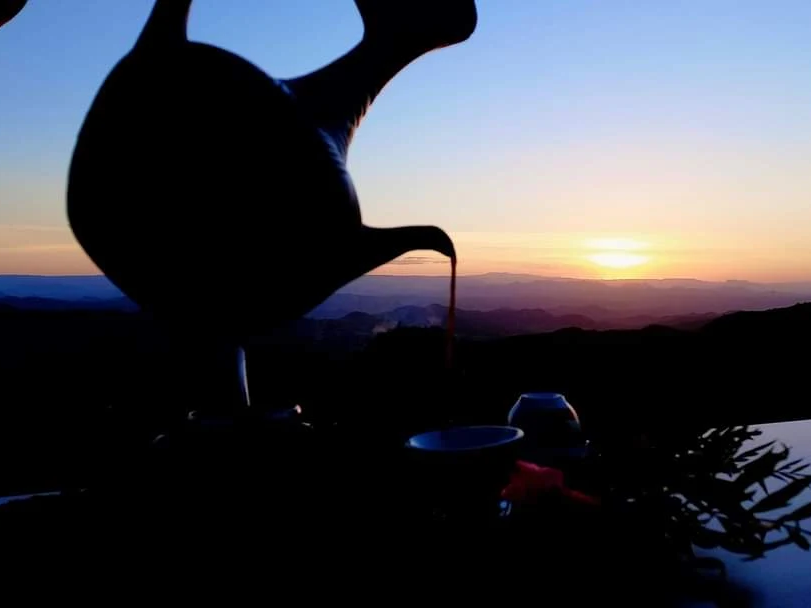
Ethiopia offers several untouched historical and natural sites. Every site has got its uniqueness depending upon the interest of the tourist. However, the most famous sight is perhaps Lalibela, an ancient rock-hewn church and Axum steles. Other famous areas include: Lake Tana in Bahr Dar, the ancient cities of Gondar and Axum, as well as the southeastern area of the peoples of the Omo valley. The Jimma area is interesting for those who wish to know the origin of Coffee.
3. Visas:
Foreign visitors must have entry visas. Entry visas can be obtained from Ethiopian Diplomatic and consular missions abroad. Arrangements can be made in advance for a visa to be available at the airport.
4. Health Requirement:
Visitors must have vaccination certificates against Yellow Fever. Any person who visited or transited cholera-infected countries within six days before arrival, is required to have a vaccination certificate against Cholera. Malaria occurs in most parts of the country, especially the lowland. Visitors should take preventive dose against malaria, before, during and after the tour.
5. Calendar and Time:
Ethiopia follows the Julian calendar. This calendar has 12 months of 30 days, and a 13th month of five or six days. New Year starts on September 11. The Ethiopian calendar is behind the Gregorian calendar by 7 years and 8 months. Ethiopia is in the GMT+3 time zone. Days begin at sunrise. 12am = dawn, 6pm = noon, 12pm = dusk, (in Ethiopian time).
6. Currency:
The local currency is Birr. The amount of foreign currency; a visitor can bring into the country is unlimited. Nevertheless, the amount should be declared. Exchanges may be done at authorized banks and hotels. The currency declaration form will be required on departure.
7. Food:
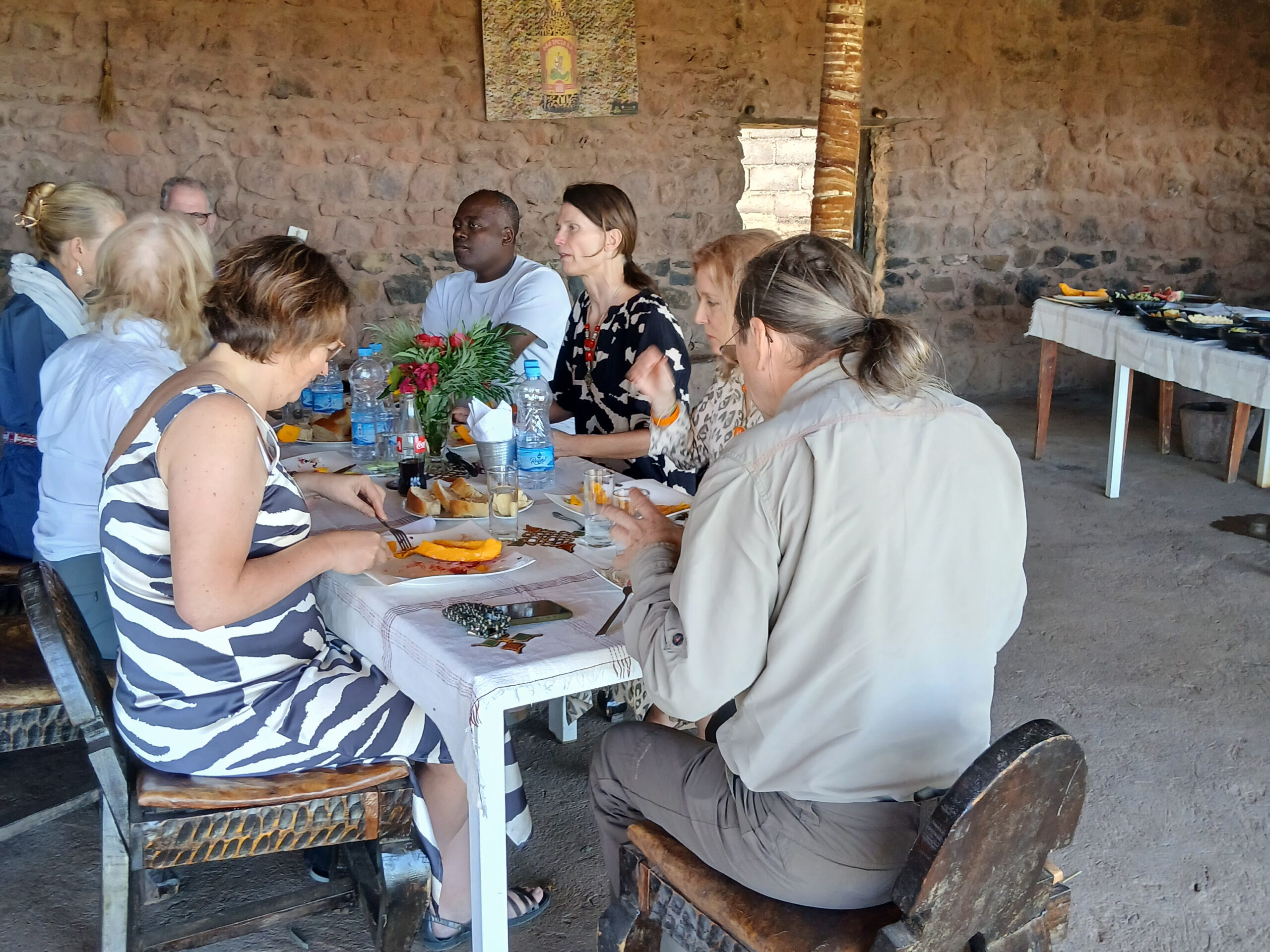
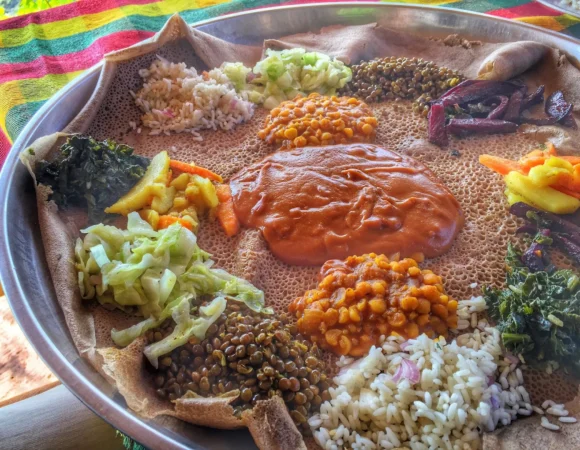
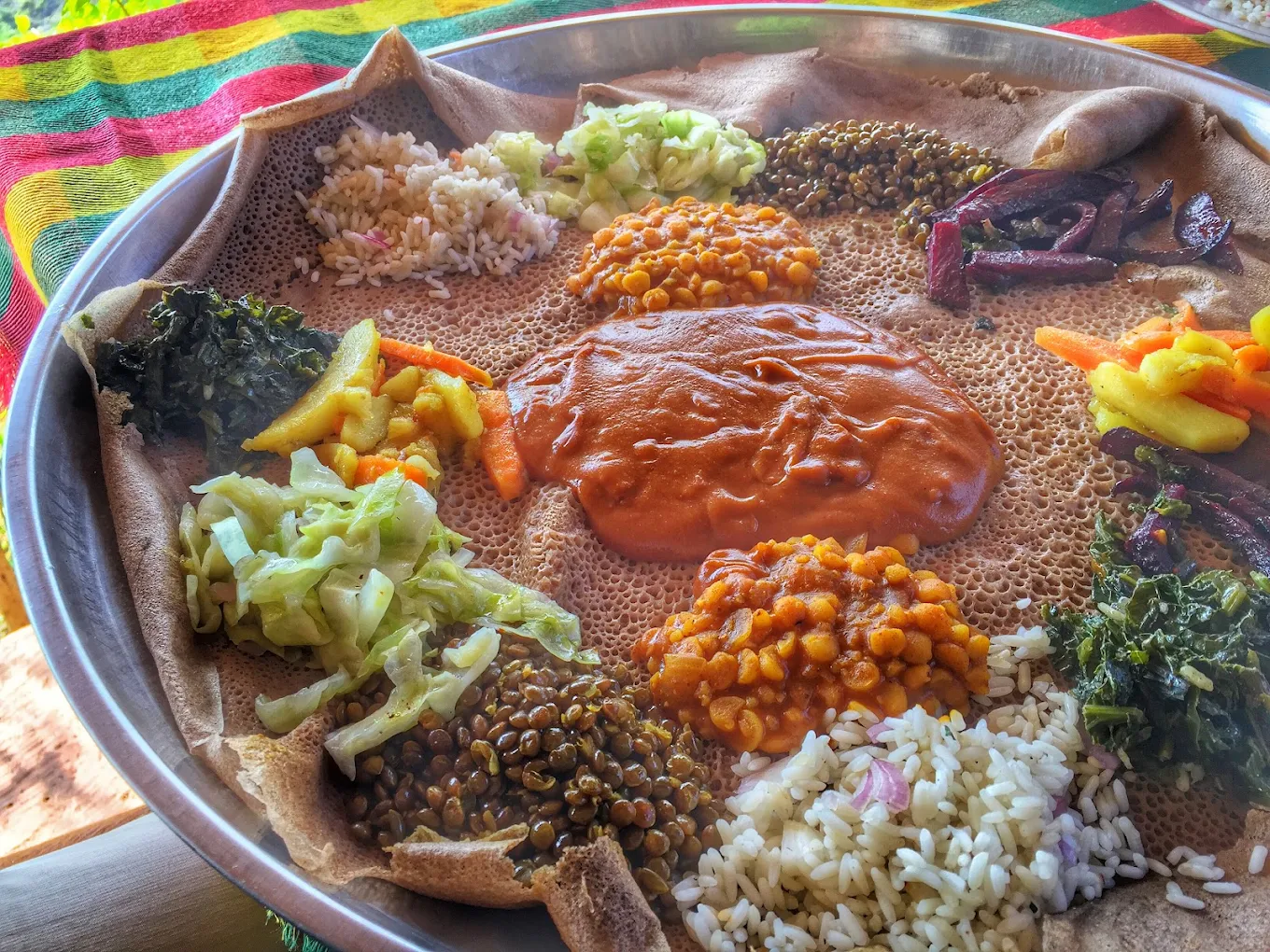
The national dish for most Ethiopians is injera, a flat, sour dough pancake make from a special grain called teff, which is served with either meat of vegetable sauces. When eating national food Ethiopians eat together, off one large circular plate. Visitors and guests will have choice morsels and pieces of meat placed in front of them, and when eating doro wot, chicken stew, the pieces of meat are eaten last, after one has filled up on injera and sauce. Vegetarians should try “fasting food”, what Orthodox Christians eat during lent and other fasting periods, and which is free of meat and animal products. For those who find Ethiopian food too spicy, in Addis Ababa there are how Greek, Chinese, Armenian, Indian, Hong Kong, Arabic, French and Italian restaurants. Outside Addis Ababa, European style food, particularly spaghetti (pasta), is available in all the large hotels.
8. Drink:
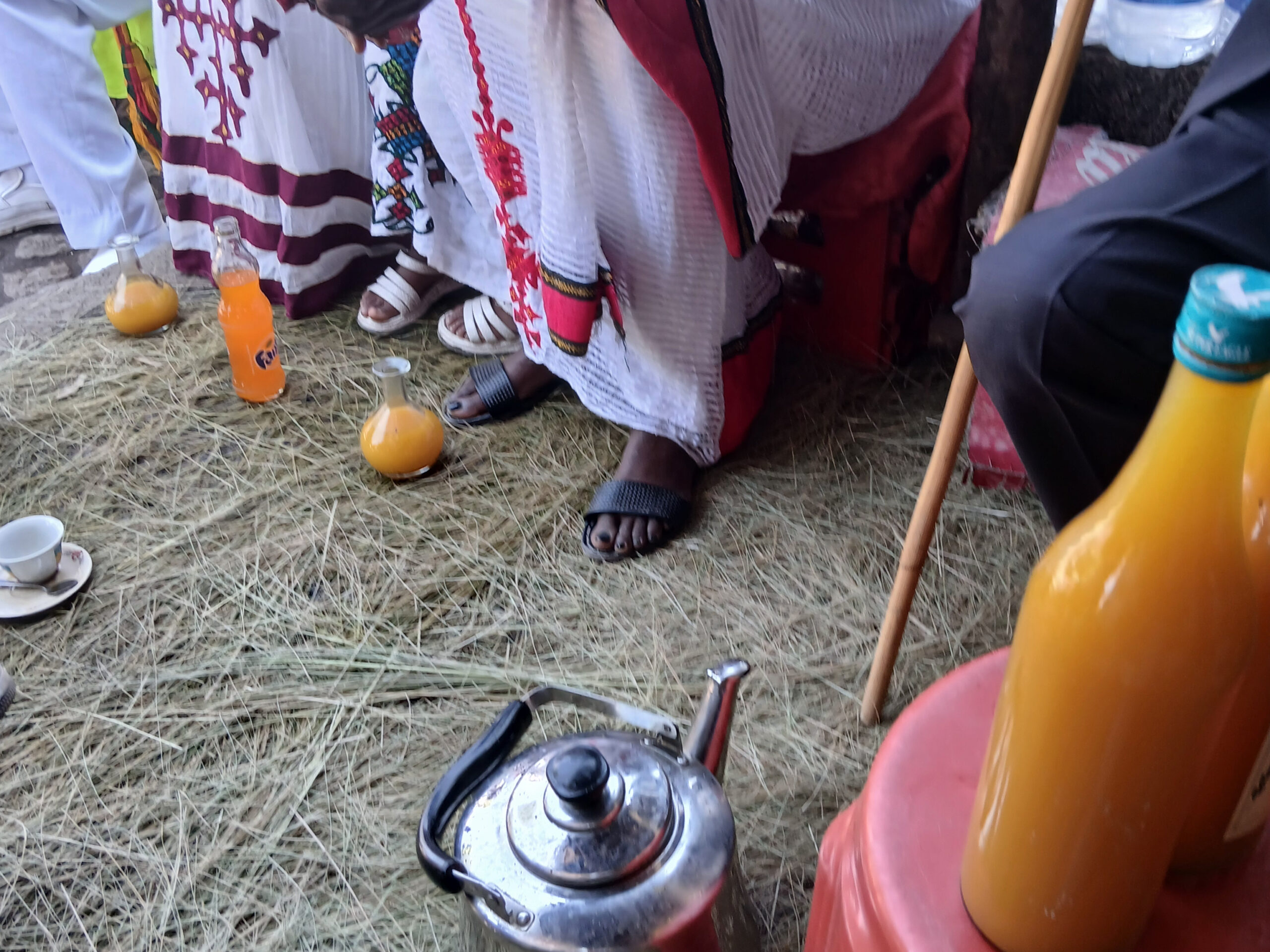
Tella, a traditional beer brewed from barely or corn and hops, is a local drink generally unavailable in modern hotels and restaurants. Fermented sorghum known as borde is a dual-purpose food- drink among Ethiopia’s lowland peoples and pastoralists. In Addition, there are bottled Ethiopian beers, local wine and mineral water that most find to their liking.
9. Clothing:
Visitors should take light, summer clothes for the day time and something warm for the evenings, like a sweater or jacket. The temperature drops quite rapidly towards sunset. Simien or Bale Mountains trekkers should bring warm clothes and water proofs for un seasonal rains. Shoes must always be removed before entering churches and mosques.
10. Photography:
In the smaller towns the locals may expect a small payment in return for being photographed. Video photography in famous tourist attractions occasionally carries a small charge. Photography may be prohibited on the bridge and near military camps.
11. Cameras:
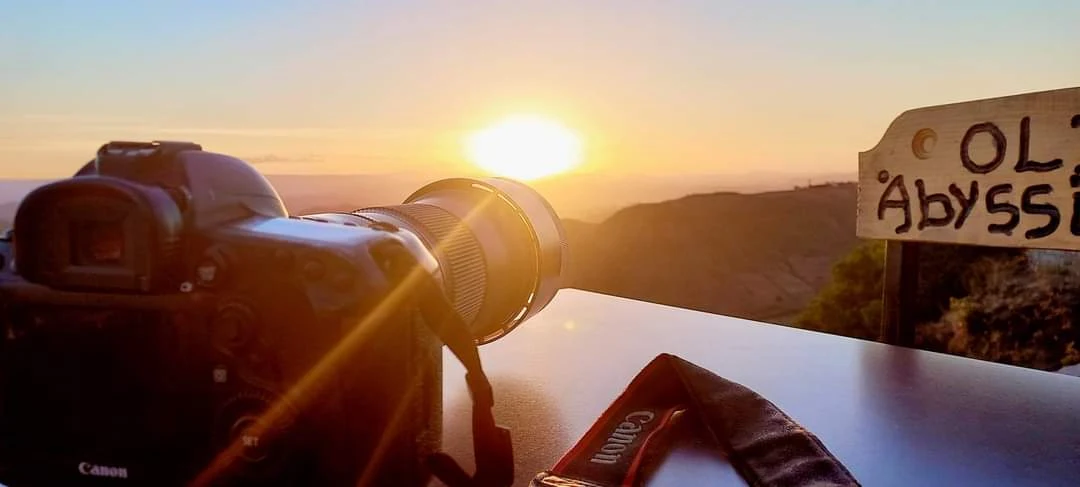
Ethiopian customs authority does not allow tourists to come with professional cameras. Special filming permit is required for professional cameras. Video Cameras with mark HD (high definition), VHD, MINI DIVI, 3CCD, are generally categorized as professional cameras. Each tourist is allowed to come with only one Photo camera.
12. Tipping: In most hotels and restaurants, a 10 per cent service charge is added to the bill. Tipping is a fairly frequent custom, but amounts are small.